
Types of Venues: A Guide to the European Scene
From elegant couples clubs to FKK wellness, private play parties, saunas and outdoor culture — the kinds of venues across Europe and what to expect at each.
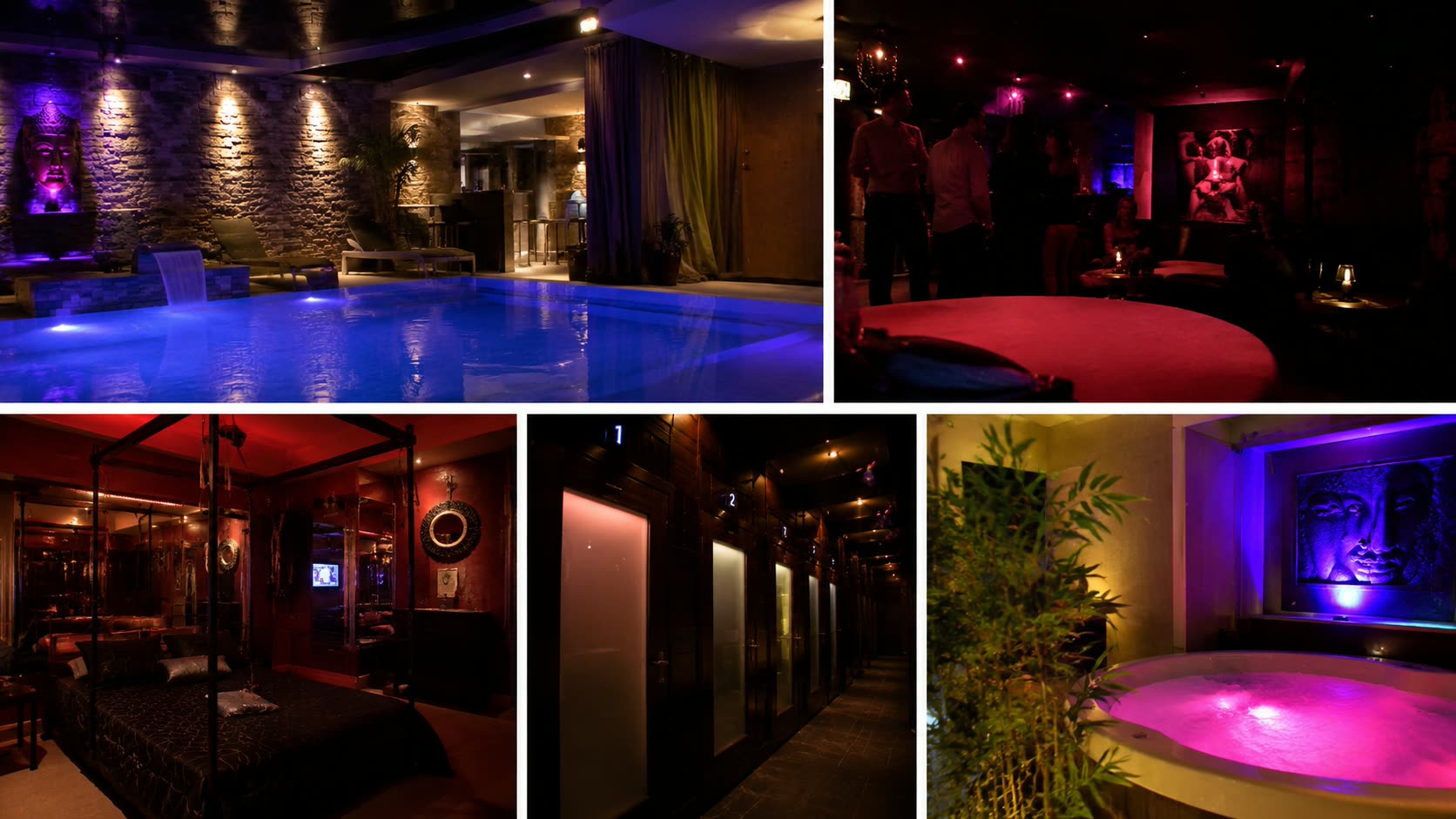
Europe's libertine scene is wonderfully varied, and part of enjoying it is knowing which kind of room you are walking into. From grand couples clubs to relaxed wellness saunas and intimate house parties, each venue has its own rhythm, etiquette and crowd. Here is a tour of the main types.
On-premises versus off-premises
The first distinction is simple: on-premises venues have dedicated spaces for play, while off-premises venues are social — bars or meet-ups where you connect, then continue elsewhere. Newcomers often start off-premises to test the waters socially before stepping into a full club. Knowing which you are attending sets your expectations for the night.
The classic lifestyle club
The lifestyle club — also called a swinger or libertine club — is the heart of the scene: a bar and dance floor alongside private cabins and play areas, often with a dark room. These range from elegant and couples-led to larger and more mixed, and most enforce clear house rules. They are the natural first stop for travelling enthusiasts.
FKK and wellness clubs
Especially common in Germany, Austria and Switzerland, the FKK club blends social nudity with a sex-positive setting — saunas, pools and lounges in a relaxed, comfort-first atmosphere. Their character varies widely, from primarily wellness to firmly adult, so it pays to check a specific venue's focus before visiting.
Private play parties
A play party is a curated, invitation-led gathering in a home or hired space. Hosts often screen guests and set expectations in advance, which makes parties feel warmer and more intimate than a large club — frequently a friendlier entry point for newcomers who find big venues daunting.
Sauna and on-premises adult clubs
Some venues lean into the spa experience: heated pools, steam rooms and jacuzzis surrounding the play areas. The dress code is usually a robe or towel, and the mood is languid rather than high-energy. These suit couples who enjoy unwinding into the evening rather than diving straight in.
Themed and travelling events
Beyond fixed venues, the scene runs on events: themed club nights, lifestyle takeovers of hotels or resorts, and travelling parties that pop up for a weekend. Often built around group play and a strong social programme, they reward dressing for the theme and arriving sociable.
Outdoor and semi-public culture
At the freer end sits dogging — outdoor, semi-public encounters with a long folklore in swinging circles. It carries particular legal and safety considerations that vary by country, and depends absolutely on consenting participants away from unwilling bystanders. Approach it informed, or not at all.
Reading a venue's character before you go
Whatever the type, do your homework: read the house rules, the door policy and recent guest impressions. A venue's website tells you its tone, its dress code and how seriously it takes screening and discretion — all good predictors of the night you will have.
Membership, fees and booking
Practicalities vary widely. Some clubs operate as private associations with membership or a one-off door fee; others take online bookings, especially for couples or themed nights. Single entry, where permitted, is often priced differently. Checking fees, opening hours and whether you need to reserve avoids an awkward arrival — and a quick message to the venue settles anything the website leaves unclear.
City scenes versus destination resorts
Urban clubs are the everyday backbone of the scene — a night out, then home. At the other end are destination experiences: lifestyle takeovers of hotels or clothing-optional resorts, where the social programme runs for days. Resorts suit couples who want to immerse gradually and make friends; city venues suit a focused evening. Both reward the same sociable, consent-first approach.
Reading the crowd: couples-led or mixed
Venues differ as much in crowd as in décor. Couples-led rooms feel intimate and tend to screen single men carefully; larger mixed venues are more energetic and varied. Neither is better — it is a matter of taste and mood. A venue's door policy is the clearest signal of its crowd, so read it before you choose your night.
A note on safety and reputation
Whatever the venue type, the markers of a good one are remarkably consistent: clearly posted house rules, attentive and visible staff, freely accessible protection, and a door that screens guests with genuine care. Online reviews and quiet word of mouth within the community fill in the rest of the picture. A venue's reputation for discretion and for taking consent seriously matters far more than its size, its address or the gloss of its photographs — trust that signal first, and let it guide where you spend your evenings.
Which is right for a first time?
For most newcomers, a curated couples club or a well-run private party is the gentlest start: staff set the tone, etiquette is posted, and there is no pressure to do anything. Once you know your tastes, the rest of the scene opens up. Pair this with club etiquette before you go.